Iris Walter · 2 September 2026
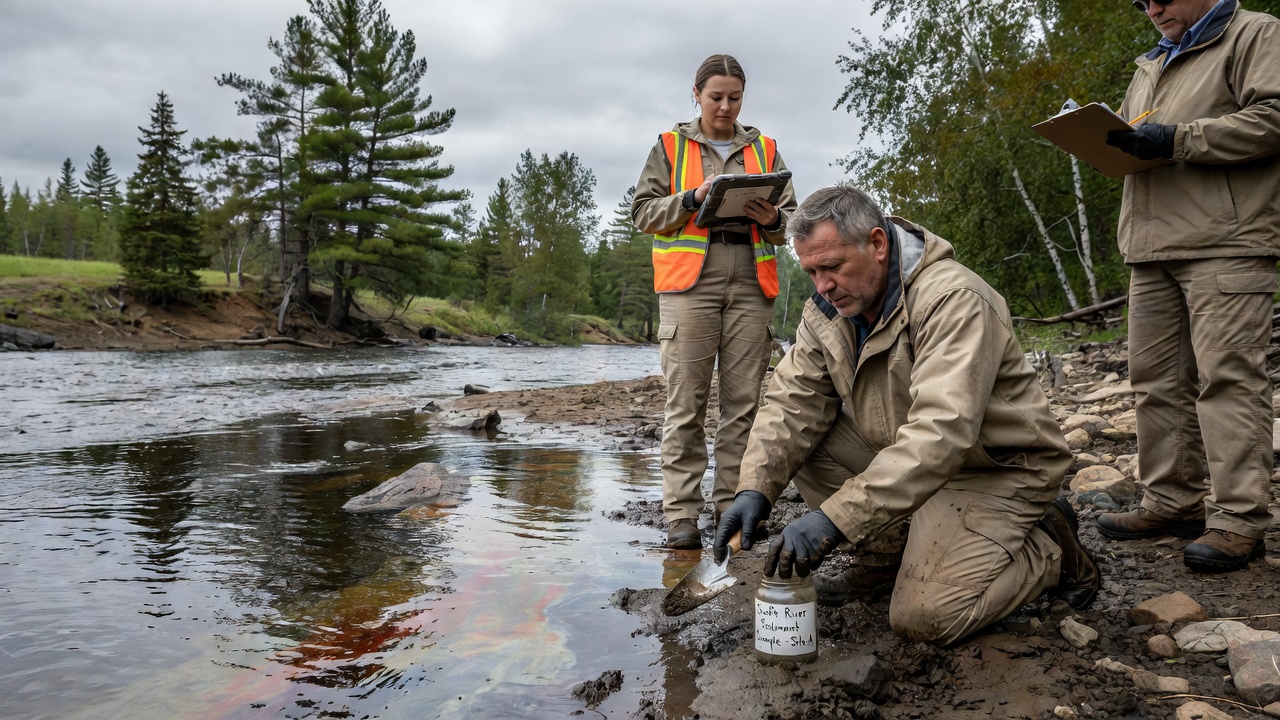
The Environmental Protection Agency released a comprehensive report this week detailing the presence of heavy metals in the sediment of the Swift River. The study, conducted over eighteen months, collected data from twenty different sampling points. Scientists found that concentrations of several toxic elements surpassed federal guidelines in more than half of the locations tested. This discovery has prompted discussions among environmental groups and local government officials about the need for immediate intervention strategies.
Methodology and Key Results
Researchers employed a combination of grab sampling and core drilling to obtain sediment specimens from the riverbed. Laboratory analysis revealed high levels of lead averaging 450 parts per million, well above the 150 parts per million threshold. Mercury levels reached up to 2.3 parts per million in some areas, compared to the safe limit of 0.5. Arsenic and copper were also present in notable quantities. The report attributes these contaminants primarily to historical mining operations and agricultural runoff in the watershed. Seasonal variations showed higher readings during spring floods when sediment is disturbed.
Further testing is planned to track changes over time and to evaluate the effectiveness of any future mitigation measures. The EPA has shared its data with state environmental agencies for coordinated response efforts.
Environmental and Health Concerns
The accumulation of heavy metals in sediment can disrupt the balance of aquatic ecosystems. Fish species in the Swift River may experience reduced reproduction rates and developmental abnormalities due to exposure. Invertebrates that form the base of the food web are particularly vulnerable, potentially leading to broader declines in biodiversity. For human populations, the primary risks involve consumption of contaminated fish or contact with river water during recreational activities such as swimming or boating.
Community leaders have organized meetings to address public fears and to advocate for funding to support river cleanup projects. Experts suggest that dredging contaminated sediment or using capping techniques could help isolate the pollutants. Long-term monitoring will be essential to ensure the river returns to a healthy state. This EPA study serves as a critical reminder of the ongoing challenges in preserving natural resources from industrial legacies.